

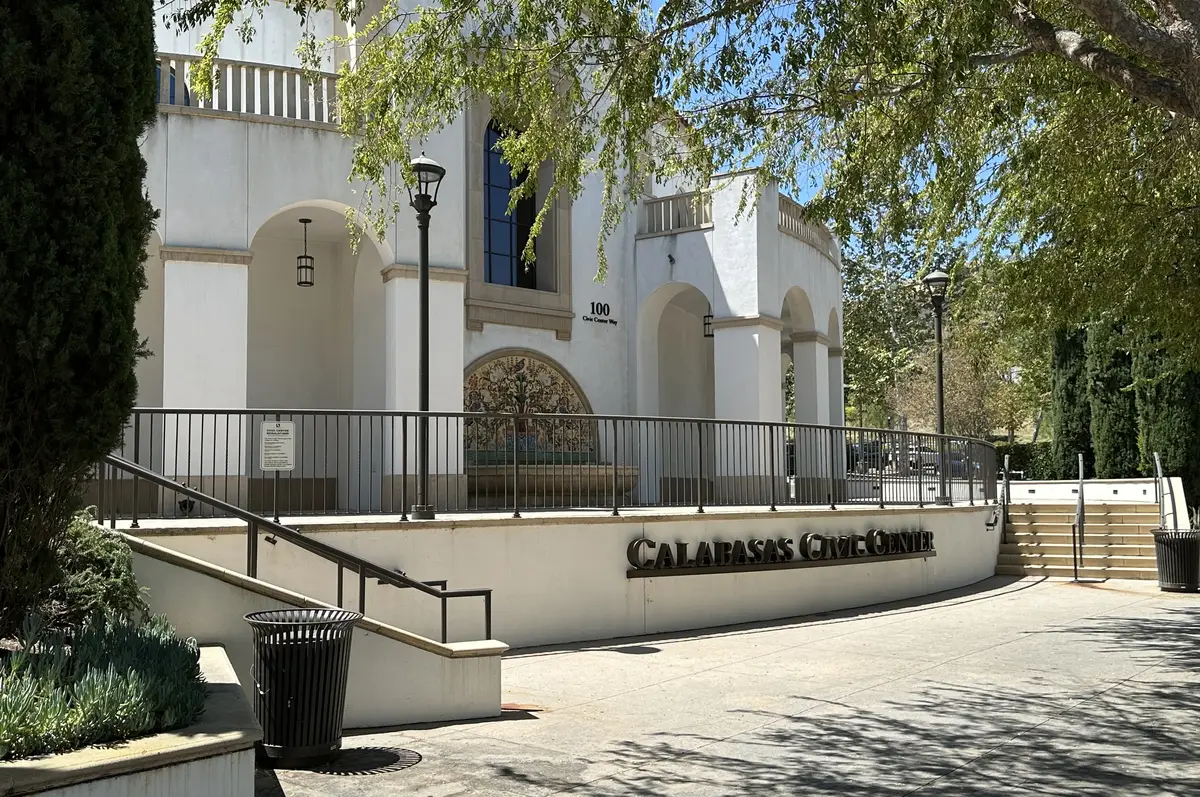
UCLA-Trained Attorneys in Calabasas
Calabasas residents use rideshare constantly, whether heading to dinner, getting home from the Commons, or commuting. When a crash happens, the injured person discovers quickly that the company behind the app does not want to take responsibility. Uber and Lyft maintain a $1 million policy for rides in progress, a limited policy when the driver is waiting for a request, and nothing at all when the app is off. Figuring out which tier applies is the first legal battle.
Curt handles rideshare cases for Calabasas clients and knows how these claims play out at Chatsworth Courthouse. The single most important step is preserving the driver's trip data before Uber or Lyft decides to stonewall the request.
A Calabasas-Area Attorney Who Knows This Community
I grew up in Woodland Hills, minutes from Calabasas, and have spent years representing injured residents across the West Valley. I bike the Las Virgenes trails off Valley Circle and Victory and spend time at The Commons. Plenty of memories at Sagebrush Cantina where graduations, birthdays, and celebrations always ended up. I attended El Camino Real High School and UCLA Law School. I don’t need to look up your neighborhood before taking your call.

The Local Details That Move Your Case Forward
The crash corridors, the hospitals that handle trauma, the legal deadlines, the insurance dynamics. These are the things we know about Calabasas cases on day one, before we even open your file.
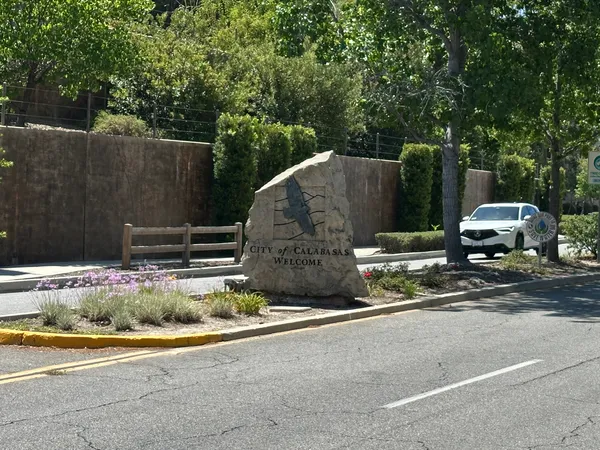
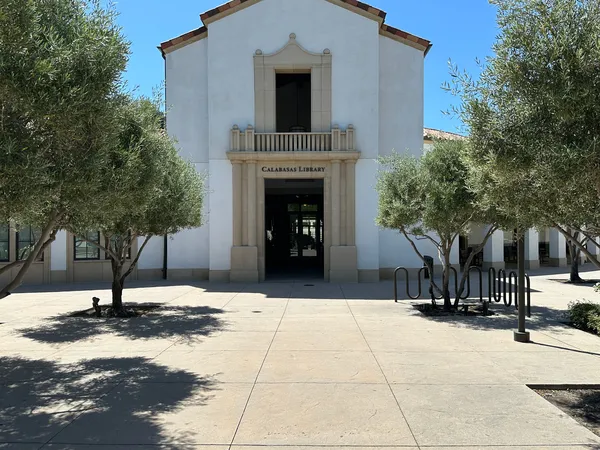

The Ventura Freeway through Calabasas sees heavy commuter volume. CHP data shows consistent rear-end and lane-change crashes at the Lost Hills Road interchange, where merging traffic forces sudden speed adjustments.
Calabasas straddles the county line, so trauma routing depends on crash location: Los Robles Regional (Level II, Thousand Oaks) or Northridge Hospital (Level II). Critical cases go to UCLA Ronald Reagan (Level I).
Coverage depends on the driver's app status: (1) App off — driver's personal insurance only; (2) App on, no ride accepted — $50k/$100k/$25k from TNC; (3) Ride accepted or passenger in vehicle — $1 million commercial policy. Identifying the correct tier is the first critical issue in every rideshare case.
Uber and Lyft classify drivers as independent contractors to avoid direct liability. California's AB 5 and Proposition 22 created ongoing uncertainty about this classification. We evaluate all liability theories — including direct negligence by the TNC for negligent driver onboarding — in every case.
Why These Cases Require Local Knowledge
A large share of residential injuries in Calabasas happen inside gated, HOA-governed developments like The Oaks and The Highlands. The HOA's insurance policy, common area maintenance records, and liability structure are all different from a standard homeowner claim. If you do not know to request the HOA's insurance certificate and incident log early, you are already behind.
The Las Virgenes and Mulholland corridor to Malibu has a documented crash history. When a collision involves road design or poor maintenance on these mountain stretches, Caltrans or LA County may be liable alongside the other driver. But government tort claims have a six-month notice deadline. Miss it and the claim is gone.
Calabasas Commons is corporate-owned retail with a professional claims team. They have lawyers on retainer. They contest everything. We have dealt with them before and know what records to pull and how fast the footage gets overwritten.
Cases file at Chatsworth Courthouse, LA County. And individual defendants here tend to carry umbrella policies well above their primary limits, which changes how we structure the demand.
The Injury Patterns We See Here
The US-101 through Calabasas funnels heavy commuter traffic past the Lost Hills Road interchange. Drivers merge into backed-up lanes and the result is rear-end after rear-end, most of them at speeds that cause real damage: disc herniations, whiplash that lasts months, concussions that do not show up on the first scan.
Las Virgenes Road toward Malibu is where the serious mountain-road crashes happen. Calabasas Road and Lost Hills Road get the commercial and school zone collisions. Agoura Road on the western edge carries mixed commuter and local traffic with its own set of intersection conflicts.
Recent cases from Calabasas have included a parking lot collision at The Commons where the property tried to disclaim liability, a rideshare passenger injured on the 101 with dueling insurance policies, and a cyclist hit on Las Virgenes by a driver who crossed the center line on a blind curve. No two of those cases involved the same legal strategy.
Crash Data
Crash Types
Most Dangerous Intersections
Recent Crashes
Compensation Available in Your Case
Calabasas rideshare cases require the same injury documentation as any vehicle accident, but with the added challenge of identifying the correct insurer. We build compensation demands that account for medical treatment, lost income, and the delays caused by multi-party insurance disputes.
Medical Expenses
Emergency treatment, specialist referrals, and rehabilitation costs. Rideshare crashes on Las Virgenes Road or near The Commons can cause injuries that require months of care.
Lost Wages
Income you lost because you could not work after the crash. When insurance companies fight over which tier applies, treatment gets delayed and lost wages pile up.
Pain & Suffering
Physical pain and emotional distress caused by the collision. A rideshare wreck on the 101 near Lost Hills Road at freeway speed produces injuries that affect your daily life for a long time.
Property Damage
Your vehicle and personal belongings damaged in the crash. Whether Uber's commercial policy or the driver's personal policy covers this depends on app status at impact.
Future Medical Costs
Ongoing treatment for injuries that will not resolve quickly. Neck and back injuries from rideshare collisions frequently require long-term physical therapy or injections.
Punitive Damages
Recoverable when Uber or Lyft put a dangerous driver on the road despite red flags in their background. Negligent screening is a powerful liability theory in serious cases.

Call us Today. No fee until you win!
818-224-7940What to Do After a Rideshare Accident
Rideshare accident claims involve insurance complexity that standard car accident cases do not. These steps protect your claim from the outset.
Screenshot the rideshare app
Capture the trip details, driver info, and route before closing the app. This screenshot is the single most important piece of evidence for determining which insurance policy pays.
Call 911
A police report documents everything: who was driving, what happened, and the conditions at the scene. On the winding stretches near Mulholland, scene evidence disappears fast.
Photograph everything
Damage to all vehicles, the Uber or Lyft placard, road conditions, and any visible injuries. If the crash happened at a Commons parking lot exit, photograph the sightlines.
Get the driver's personal insurance in addition to rideshare information
If the app was on but no ride was accepted, coverage drops to a contingent policy. The driver's personal insurer becomes relevant, so get that information at the scene.
Do not give a recorded statement to the TNC's insurer
The adjuster calling you is trained to get you to say things that reduce your claim. Do not describe your injuries or agree to anything until you have spoken with an attorney.
Contact Westwood Law
Curt handles rideshare accident cases for Calabasas clients. He preserves trip data immediately and files at Chatsworth Courthouse, where he knows the process and the judges.